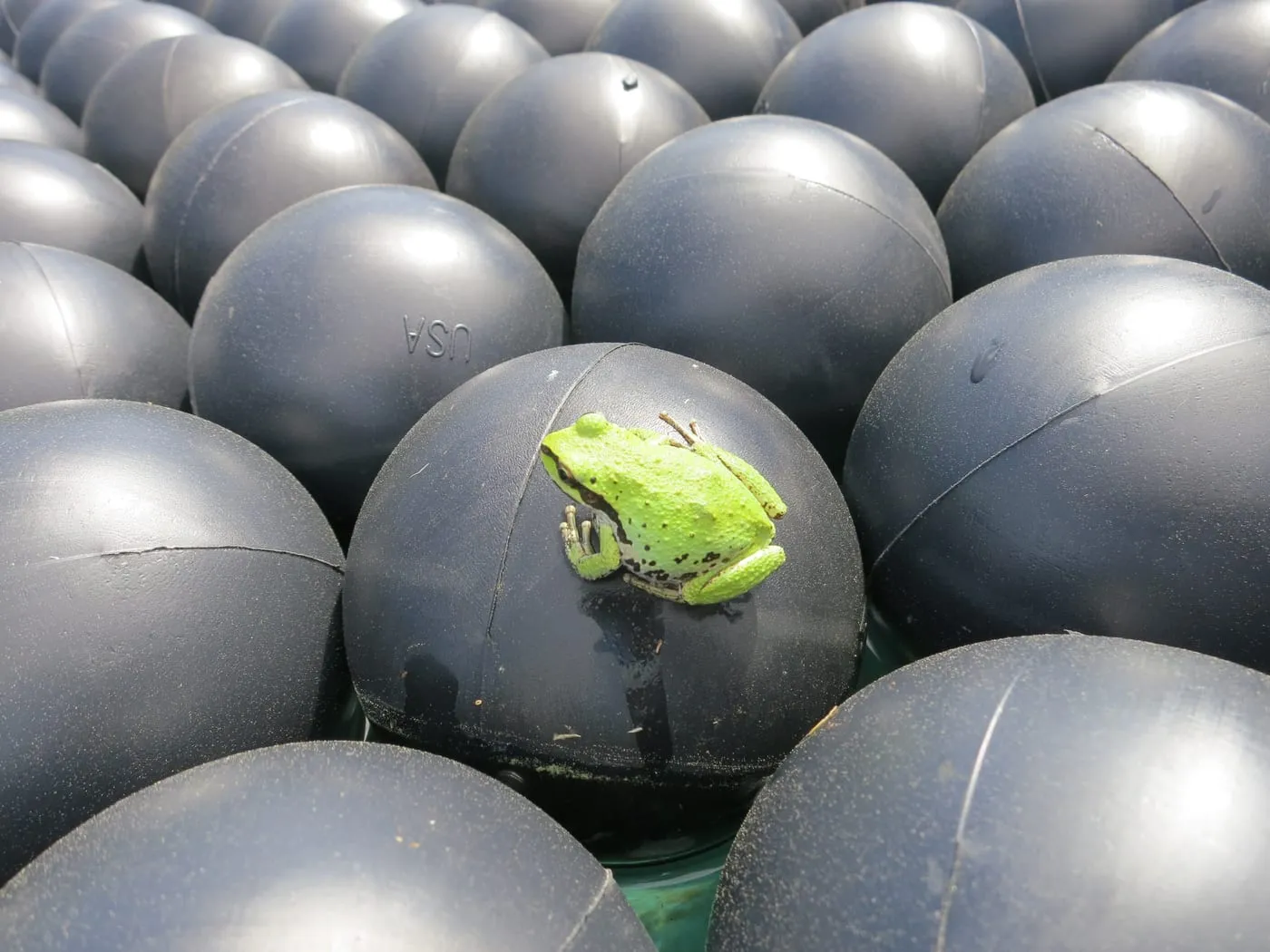
Developing a reliable odor control system requires a physical surface barrier that can withstand harsh environments without blocking access for regular maintenance. Floating spherical covers offer a highly effective alternative to expensive air scrubbing systems and high-maintenance fabric liners. Blanketing your waste basins with these durable spheres allows your facility to trap odors right at the liquid level while keeping daily operations fully optimized.
Controlling Gas Emissions and Regulatory Compliance
Industrial and municipal wastewater facilities must follow strict air quality rules, requiring reliable control over surface off-gassing.
Minimizing Volatile Organic Compound Off-Gassing
Open waste basins release volatile organic compounds (VOCs) and hazardous gases into the air through natural surface evaporation. Covering these aggressive fluids with a high-durability hollow ball cover creates a thick, floating physical barrier that minimizes the air-to-liquid contact zone. This reduction in exposure keeps volatile chemicals contained within the solution, lowering emissions and keeping air quality inside regulatory limits.
Protecting Nearby Communities from Offensive Odors
Foul odors from sludge ponds can travel for miles on windy days, causing frequent complaints from local homeowners and city officials. Deploying a uniform floating ball cover traps foul odors right at the water level, preventing them from escaping into the breeze. This simple control method allows treatment plants to operate smoothly near populated communities without causing odor issues.
Operational Advantages of Modular Spheres over Fabric Liners
Wastewater environments subject equipment to intense physical stress, requiring surface materials that can handle rugged conditions without breaking down.
Easy Access for Internal Inspections and Repairs
Plant engineers often need to drop sampling tools, active pumps, or diagnostic gear deep into waste basins to check water quality or maintain equipment. Solid plastic panels or fabric covers block this access, requiring workers to remove large sections of the cover before working. Floating spheres simply roll out of the way when tools are lowered into the basin and slide back into place automatically when the work is done.
Flawless Adaptation to Rapid Fluid Level Changes
Wastewater basins experience sudden changes in fluid levels as large volumes of water are pumped through the plant during peak hours. Rigid covers or tied-down tarps often sag, fill with rainwater, or rip during these rapid level changes, requiring frequent repairs. Floating spheres handle these changing environments easily, moving fluidly with shifting levels and currents while keeping the protective cover perfectly intact.
Material Reliability and Structural Durability in Waste Basins
Wastewater contains a complex mix of corrosive chemicals and biological elements, requiring highly durable surface materials.
High Resistance to Corrosive Hydrogen Sulfide Gas
Wastewater ponds often release high levels of hydrogen sulfide gas, which creates a foul odor and corrodes standard metals and weak plastics very quickly. High-density floating spheres are manufactured from rugged polymers like High-Density Polyethylene (HDPE), which possess high chemical resistance. These tough spheres will not crack, rust, or degrade, even when exposed to corrosive gas fumes for decades.
Handling Heavy Rain, Snow, and Debris Accumulation
Solid fabric covers often collect large puddles of rainwater and heavy piles of snow on their surfaces, causing them to sag into the basin and tear under the extra weight. A floating sphere blanket allows rain and snow to pass freely between the balls into the basin below. The spheres stay floating perfectly on top of the liquid, preventing structural collapses and eliminating the need for expensive surface pumps.
Conclusion
Optimizing odor control at wastewater facilities requires a shift away from high-maintenance fabric liners to adopt advanced floating spherical arrays. Deploying high-strength floating spheres provides a durable, low-maintenance solution that traps foul odors, controls gas emissions, and moves fluidly with changing water levels. Prioritizing these rugged floating covers helps plants maintain clean environmental compliance records, lower their maintenance costs, and protect the quality of life in the surrounding community.